
Best Puppy Treats Guide For Training, Teething & Healthy Development
Bringing a new puppy home is exciting… and, let’s be honest, a little overwhelming.
Between feeding schedules, toilet training, teething, and trying to get a full night’s sleep, treats quickly become a core part of your daily routine—whether they are for training rewards or soothing a teething pup.
Choosing the right treats early on makes a real difference. Puppies grow rapidly in their first year, meaning every calorie should support healthy development—from muscle growth and heart health to a shiny coat and overall vitality.
This guide focuses on helping you choose rewards that actually give back to your growing dog.
When Can Puppies Start Having Treats?
Most puppies can start having treats once they are settled on solid food and a basic routine—usually around 8–12 weeks old.
Early on, treats are primarily used for positive reinforcement. Start with options that are easy to chew or break into tiny, training-sized pieces. As your puppy grows, you can gradually introduce longer-lasting chews and more durable textures.
Every puppy develops at their own pace, so always supervise your pup during treat time to ensure they are chewing safely and ready for the texture provided.
What Makes a Good Puppy Treat?
Many store-bought puppy treats are designed for shelf life and appearance rather than actual nutrition. Even products marketed as “Healthy” or “All Natural” can be packed with fillers, sugars, and artificial preservatives.
In Australia, pet food marketing terms like “natural” are not as tightly regulated as many people assume, which is why reading the ingredient list is one of the best habits a new dog owner can develop. Single-ingredient treats are the gold standard for puppies because:
- Total Transparency: 1 ingredient ONLY. Nothing hidden, nothing added.
- Full Visibility: You know exactly what your dog is eating.
- Gentle Digestion: Easier for young, developing stomachs to process.
- Naturally Nutrient-Rich: You are feeding real food with natural benefits.
- Clean Label: No chemicals, unnecessary additives, or fillers.
- Allergy Friendly: Essential for puppies with emerging sensitivities.
Choosing the Right Protein for Your Pup
When introducing treats to a puppy for the first time, keeping it simple is key. Starting with single-ingredient protein options removes the guesswork. If a treat doesn't agree with your pup, you can immediately pinpoint why.
While many dogs thrive on beef and chicken, they are the most common culprits for food sensitivities:
- Beef & Chicken: Combined, these account for nearly half of all reported dietary sensitivities (~34% and ~15% respectively).
- Lamb & Fish: Novel proteins and seafood are far less frequently linked to sensitivity issues (<10%).
A Simple Introduction Strategy
Every puppy adapts differently to new textures and proteins. To build a safe, predictable routine that works best for your pup, follow this simple approach:
- Start slow: Introduce only one new protein at a time so you can clearly see how they react.
- Monitor the "output": Keep an eye on their energy and stool consistency over 48 hours.
- The green light: If their tummy stays settled, you can safely add that treat to the regular rotation and move on to the next one.
Why Nutritional Value Matters
Puppies don't just need calories; they need building blocks. Single-ingredient, protein-based treats provide:
- Real Protein: Essential amino acids to support healthy muscle development.
- Natural Vitamins: Vital nutrients to support immune and heart health.
- Biological Alignment: Rewards that satisfy a dog’s instinctual craving for meat.
- Teeth & Gum Support: Encourages natural chewing instincts from a young age.
Best Puppy Treats for Training
A high-value reward makes training much more effective and strengthens your bond. Good training treats should be easy to break into small pieces, high-aroma to keep their focus, and quick to chew so you can get back to the lesson.
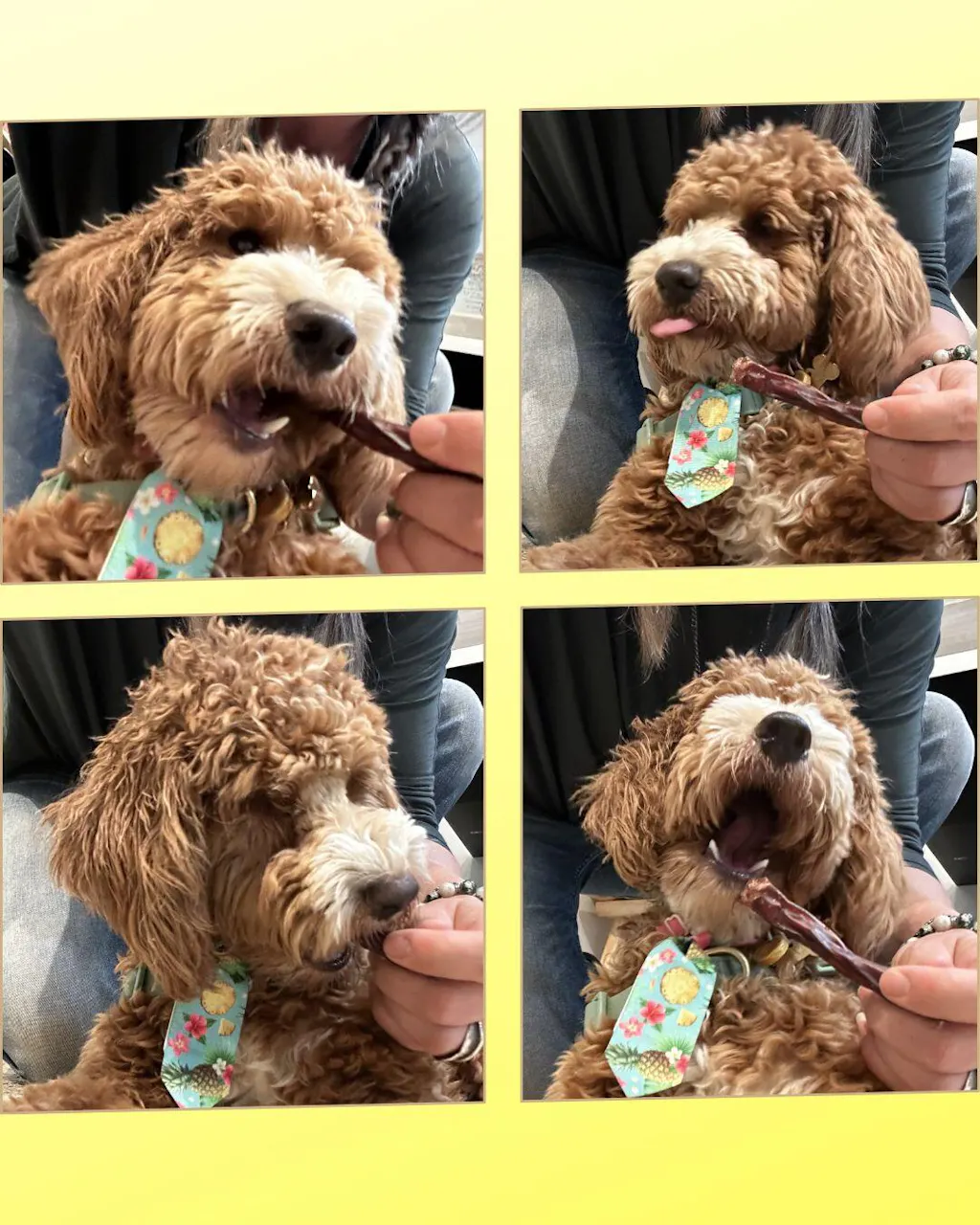
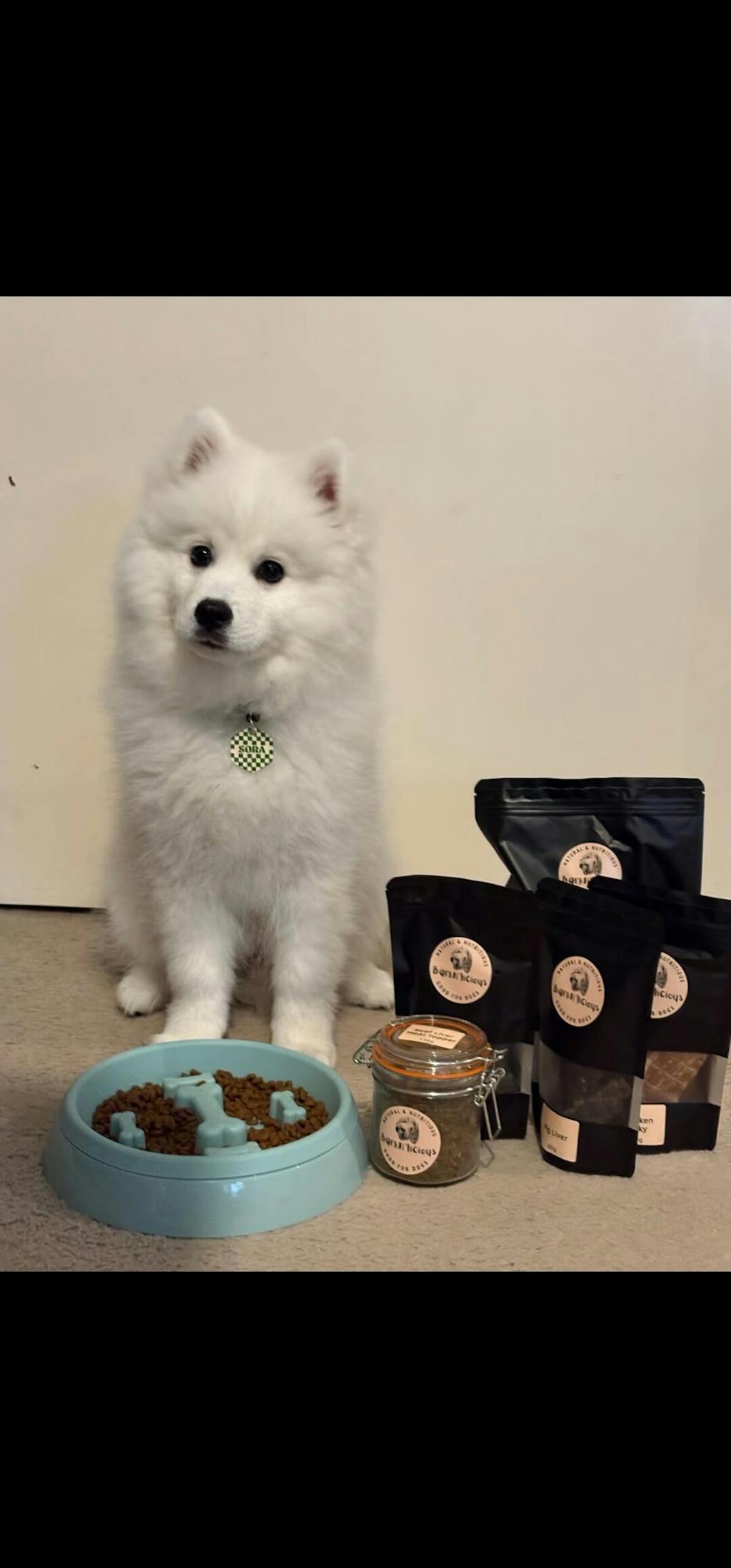
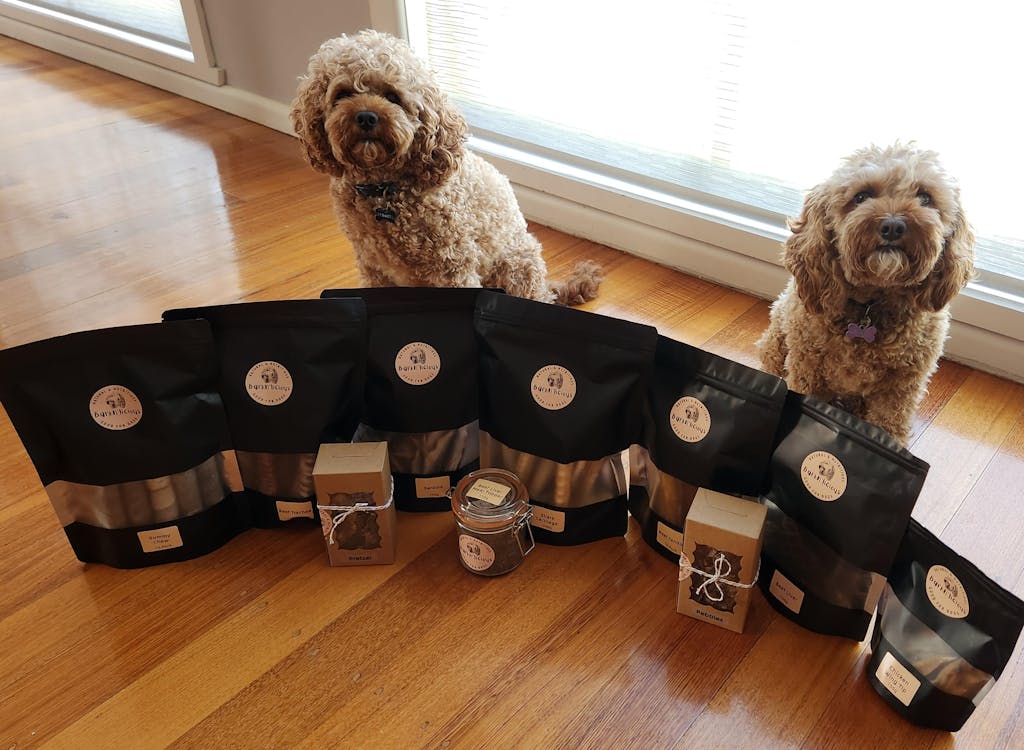
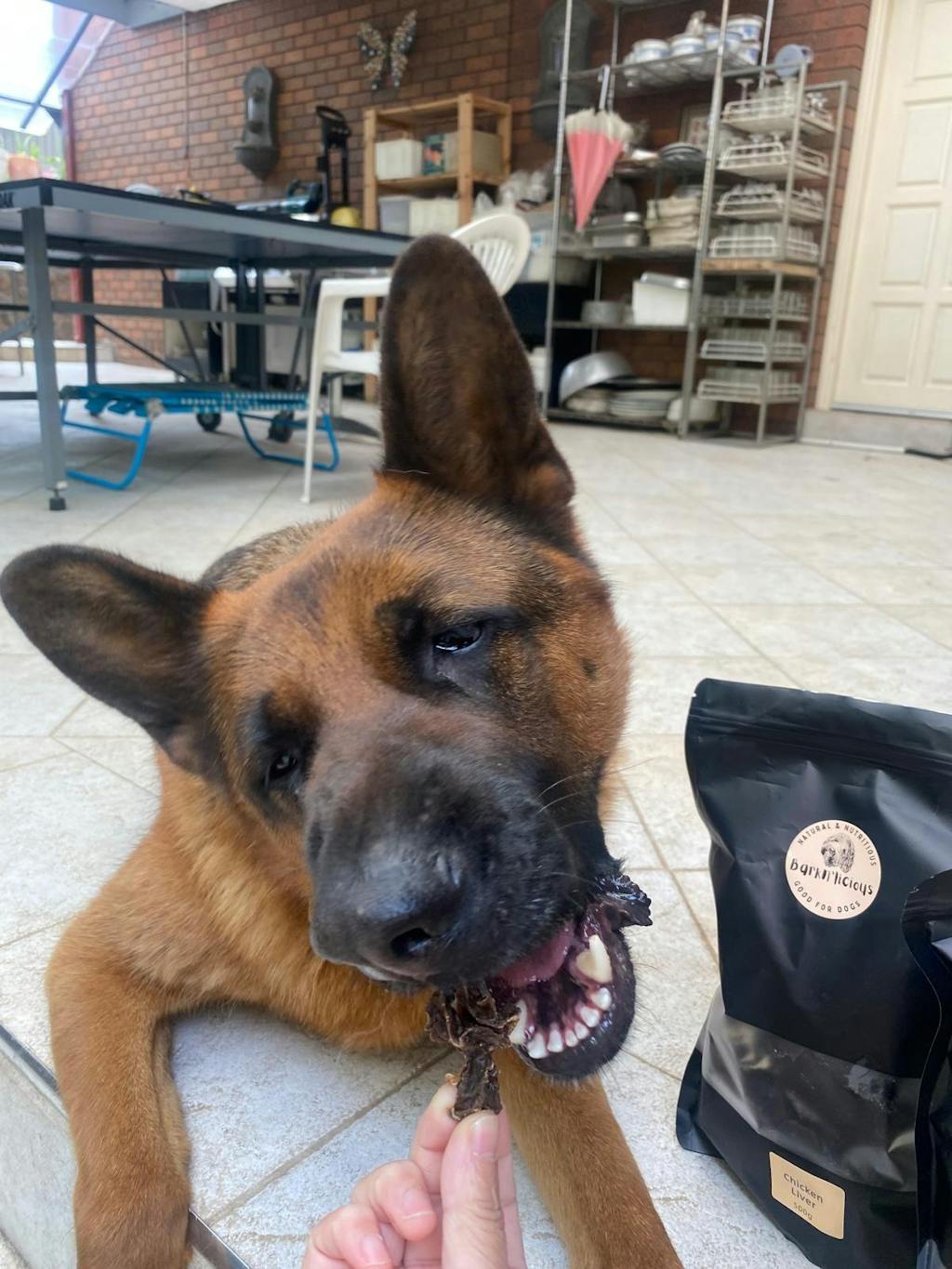
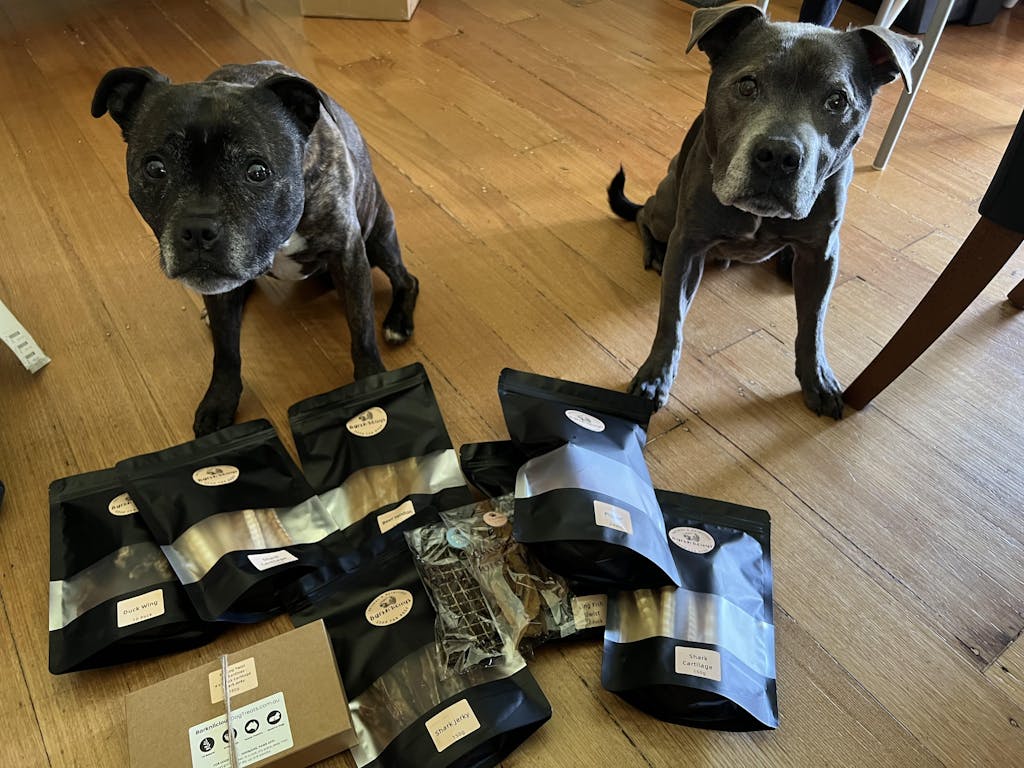
Some great Barkn’licious puppy training options include:
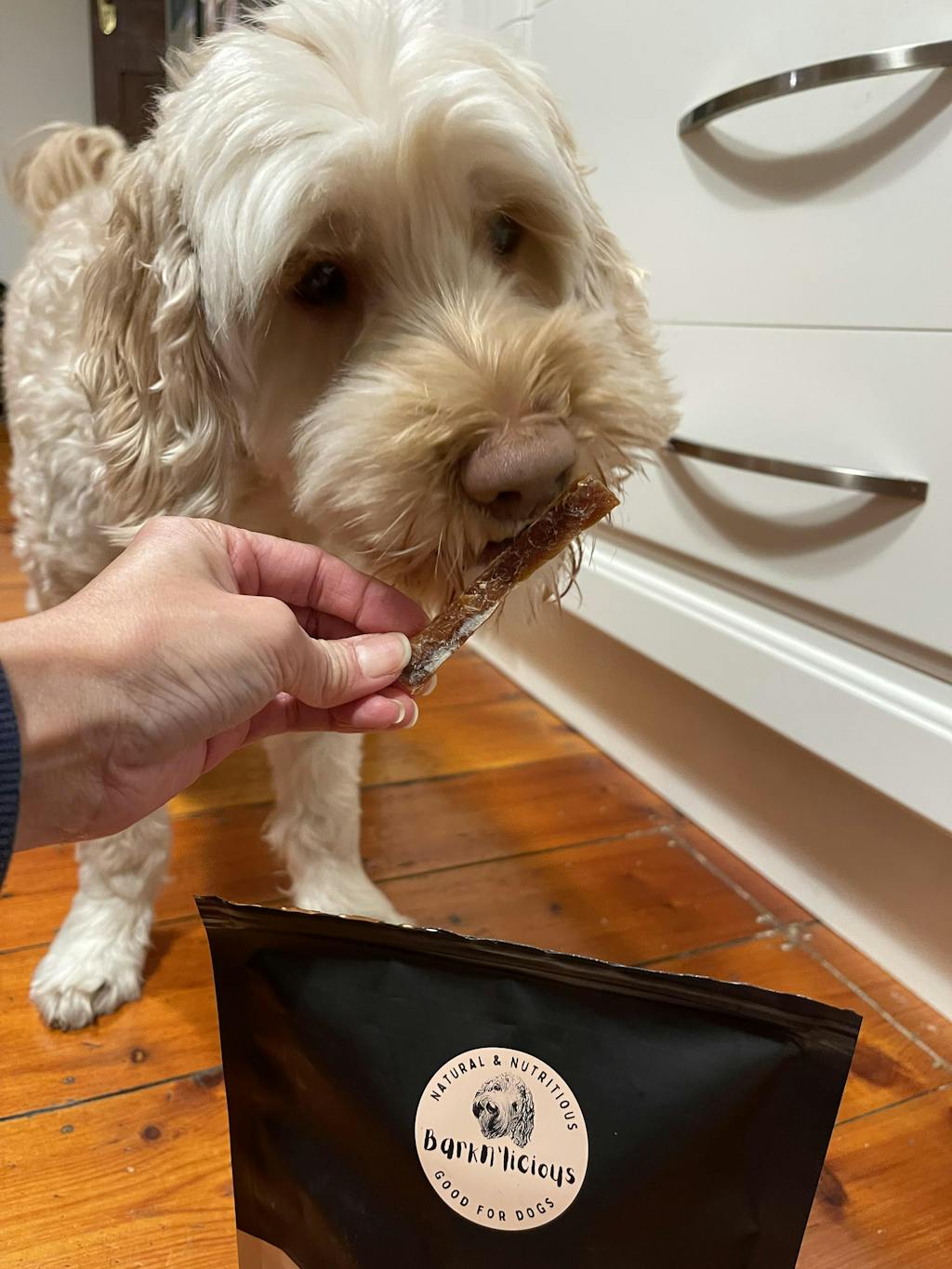
- Chicken Jerky — Meaty, chewy, and easy to snap into bits.
- Pig Liver — Light, crunchy, and incredibly motivating.
- Sardine — Brittle, flavour-rich, and packed with healthy omegas.
Puppy Teething and Natural Chews
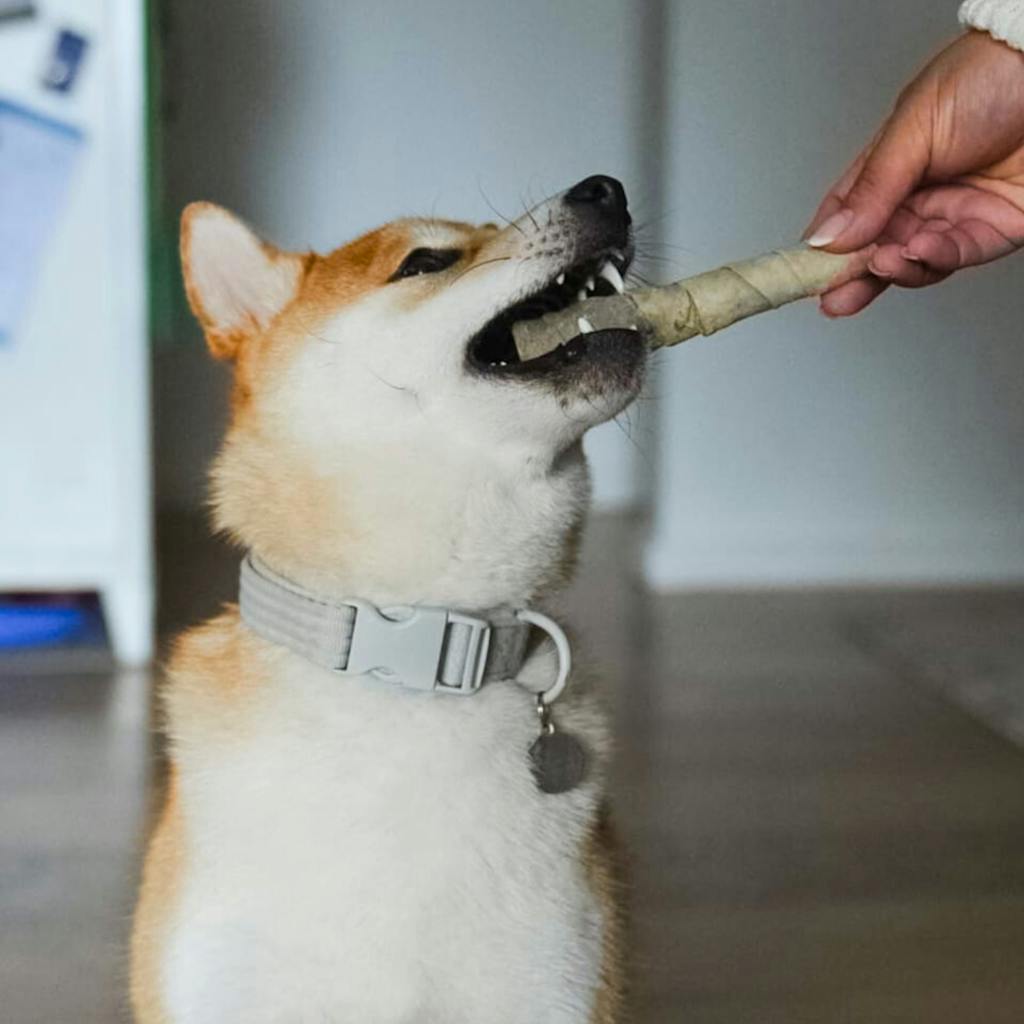
Teething is a challenging stage, but the right chew can soothe your pup's gums and redirect chewing away from your shoes. Natural puppy chews help relieve discomfort and encourage healthy chewing habits early on.
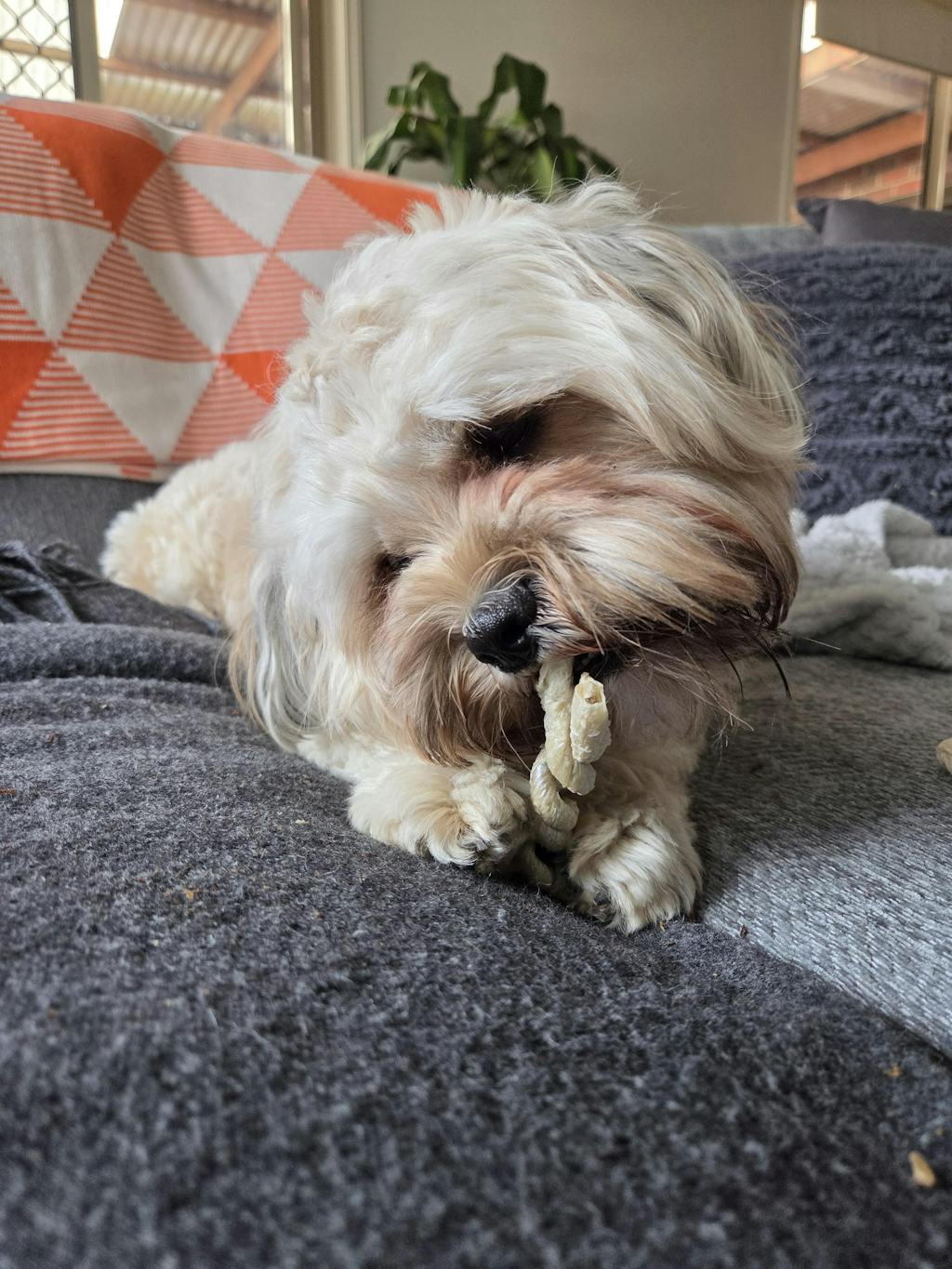
- Ling Fish Twist — Chewy, springy, and great for the coat.
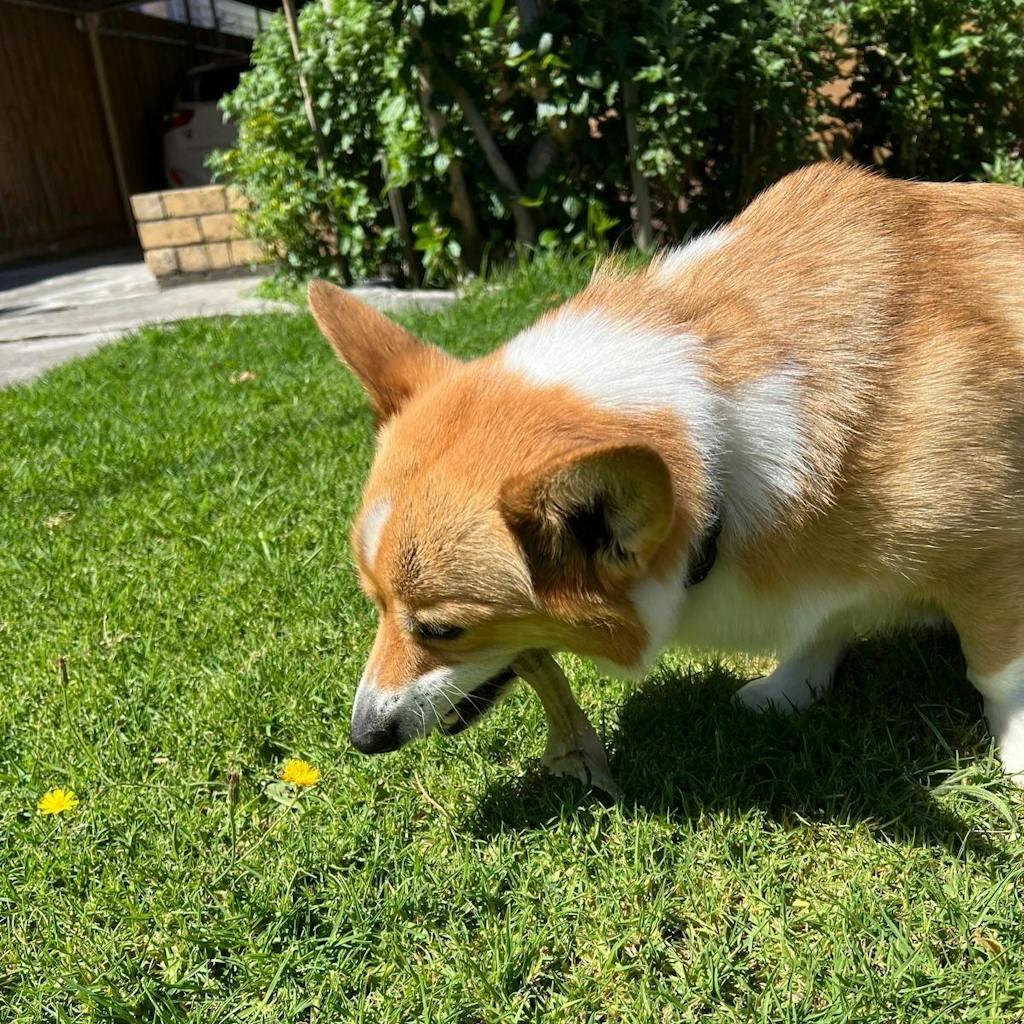
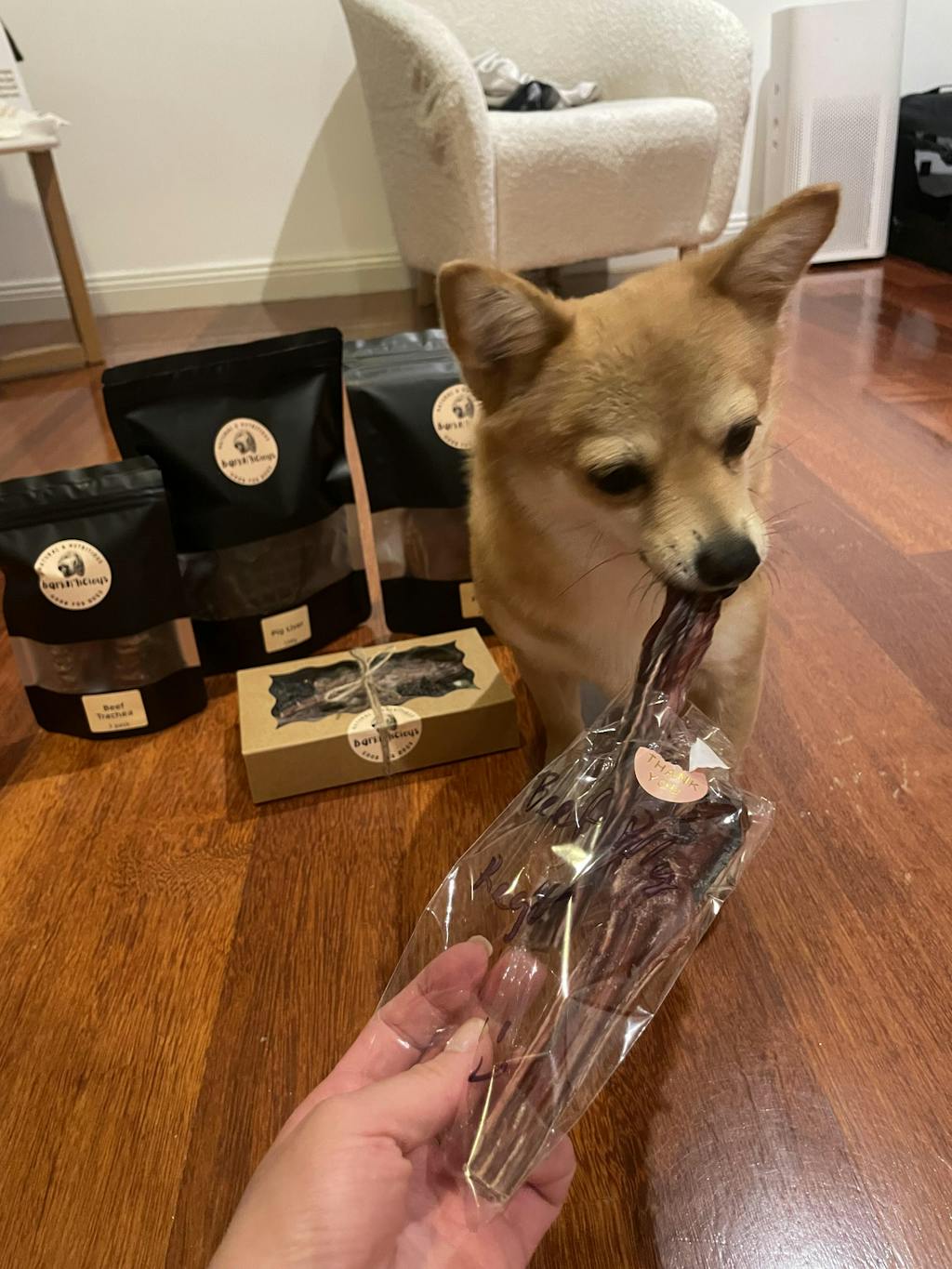
- Pig Ear (Regular) — A classic, meaty, and satisfying chew.
- Gummy Chew — Designed with an abrasive texture to help clean teeth naturally.
The Bottom Line
Bringing a puppy into your family is the start of a beautiful, lifelong bond. They rely on you for everything, and making healthy choices for them now helps ensure they grow, thrive, and stay by your side for years to come.
At Barkn’licious, our treats are made with one simple goal: to help your dog get the best start in life with clean, honest nutrition. Nothing added, nothing hidden—just the good stuff to help them grow.